How to Get Featured in ChatGPT and Google's AI Mode
How to Get Featured in ChatGPT and Google's AI Mode
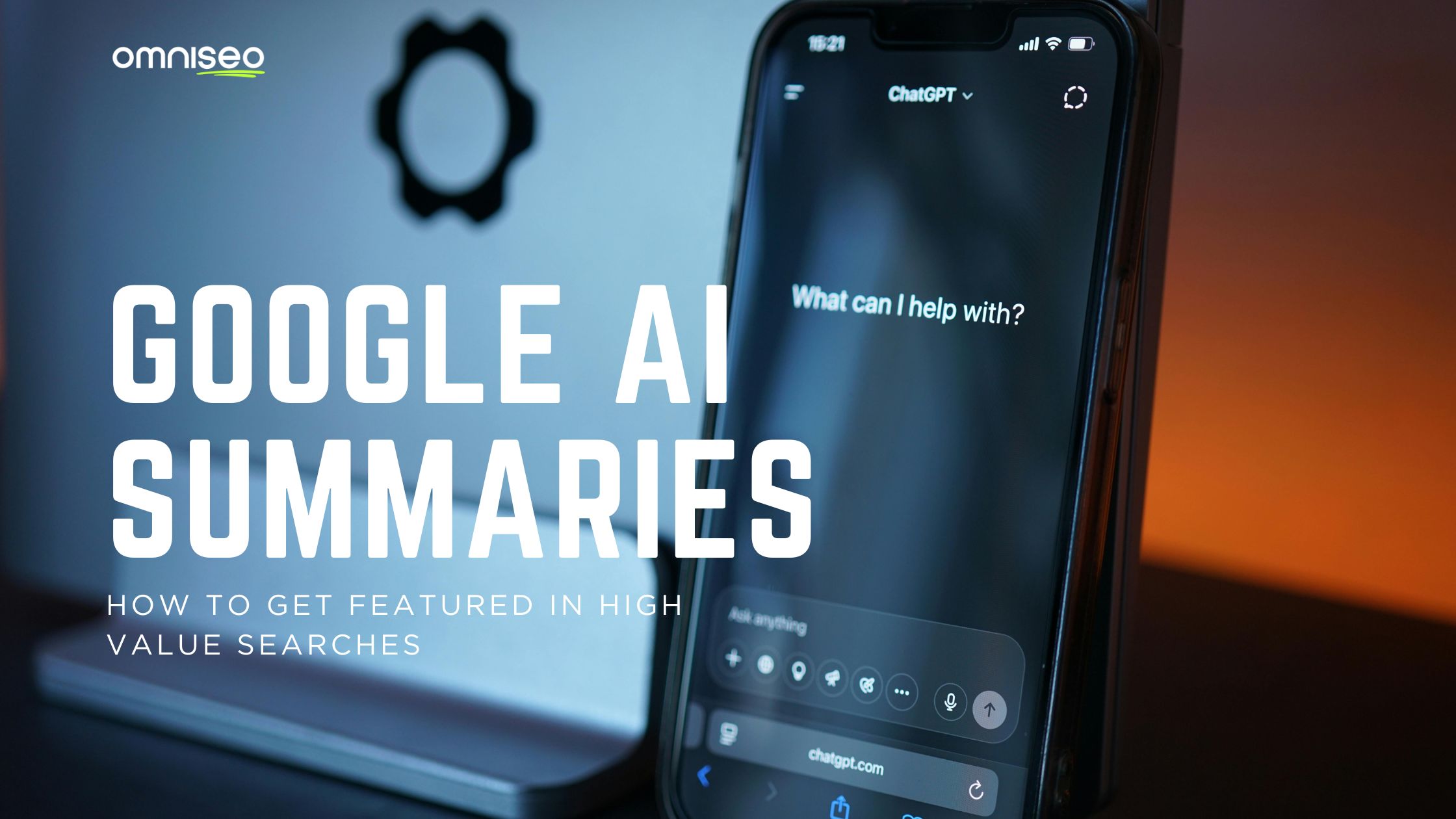
More and more people are researching decisions, from where to eat to which local business to hire, by asking AI tools directly rather than typing a query into a traditional search box. ChatGPT, Google's AI Mode, and similar tools are becoming genuine discovery channels in their own right. If your business isn't showing up when these tools are asked relevant questions, you're missing out on a growing slice of how customers find businesses like yours. This post covers what actually influences whether these tools mention your business, and practical steps to improve your chances.
How These Tools Actually Decide What to Mention
It helps to understand, at a basic level, how these systems work. Tools like ChatGPT and Google's AI Mode don't have a single, fixed answer stored for every possible question. For many queries, especially ones involving current, local, or specific information, they search the web in real time (or draw on recently indexed content) and then generate a response based on what they find, often citing a handful of sources along the way.
This means the same fundamental principles that help a website rank well in traditional search also strongly influence whether it gets pulled into an AI-generated answer. Being crawlable, having clear and well-organised content, and being seen as a credible source on your topic all matter enormously here.
There's an added layer, though. These AI systems tend to favour content that answers questions clearly, concisely, and directly, since that's exactly the kind of material that's easiest for them to extract and repurpose into a natural-sounding response.
Practical Steps to Improve Your AI Visibility
1. Make sure your website is actually crawlable and indexed. This sounds basic, but it's worth checking. If your site has technical issues blocking search engines from properly crawling and indexing it, you have no chance of appearing in AI-generated answers, regardless of how good your content is. A technical SEO audit can quickly reveal whether this is holding you back.
2. Answer questions directly and clearly, especially early in your content. AI tools favour content that gets to the point. If someone might ask "what's the best time to book a wedding photographer in Cardiff," having a clear, direct answer near the top of a relevant page (before going into more nuanced detail further down) makes that content far easier for an AI system to lift and use accurately.
3. Use structured formatting. Headings, bullet points, numbered steps, and clear paragraph breaks all help both search engines and AI systems parse your content accurately. Dense walls of text are much harder to extract clean, accurate information from.
4. Build genuine topical authority, not just isolated pages. As covered in more detail in our piece on topic clusters, AI systems favour sources that demonstrate broad, connected expertise on a subject rather than a single standalone page. If your website only has one page loosely related to a topic, it's a weaker candidate for citation than a site with a well-developed cluster of genuinely useful, connected content.
5. Keep your information current. AI tools, particularly those that pull from recently crawled content, favour up-to-date information. If your pricing, service details, or industry information is outdated, it becomes both less useful and less trustworthy as a source. Regularly reviewing and refreshing key pages helps here.
6. Strengthen your presence beyond your own website. Mentions, reviews, and citations from other credible websites (local directories, industry publications, review platforms) all help establish your business as a genuine, recognised entity, which increases the chances that an AI tool considers you a reliable source when generating an answer related to your industry or location.
7. Claim and optimise your Google Business Profile fully. For local queries specifically, Google's AI Mode leans heavily on Business Profile data, reviews, and location information. A complete, accurate, well-reviewed profile significantly improves your chances of being surfaced for local, AI-assisted searches.
What Doesn't Work Here
It's worth being upfront that there's no reliable way to directly "buy" or force your way into an AI-generated answer the way you might with a paid search advert. These systems generate responses based on genuine assessments of relevance and credibility drawn from real content and data. Any service promising guaranteed AI citations through shortcuts or manipulation tactics should be treated with real scepticism, since this space is still evolving and these systems are specifically designed to resist manipulation.
The sustainable path here is the same one that's always underpinned good SEO: build genuinely useful, well-organised, trustworthy content and maintain a credible, consistent online presence. AI visibility is best understood as a natural extension of strong fundamentals, not a separate hack to chase.
Setting Realistic Expectations
It's also worth remembering that AI visibility, much like traditional SEO, tends to build gradually rather than overnight. Making the changes above won't guarantee an instant appearance in ChatGPT's next answer to a relevant question, but it steadily improves your odds over time, particularly as these systems continue to refine how they identify credible sources.
For local Cardiff businesses, this is genuinely good news. It means the same disciplined, honest approach to building your online presence, useful content, strong local signals, real credibility, pays off across both traditional search and this newer generation of AI-driven discovery.
Want a Clear Plan for AI Visibility?
If you're not sure where your website currently stands when it comes to being crawlable, structured well, and positioned as a credible source, we're happy to take a proper look. At OmniSEO, we build AI visibility into our broader SEO strategy for Cardiff businesses, rather than treating it as a separate afterthought. Reach out whenever you'd like a straightforward assessment of where you stand.


Ghost Citations: Why AI Search Cites Your Content but Not Your Brand
Ghost Citations: Why AI Search Cites Your Content but Not Your Brand
Here's a frustrating scenario that's becoming increasingly common. You check an AI search tool, ask it a question closely related to your business, and discover that it's actually using information from your website to build its answer. The facts, the phrasing, even the structure feel familiar. But your brand name is nowhere to be seen. You've been quietly used as source material without getting the recognition, or the click, that should come with it. In the industry, this is sometimes called a "ghost citation," and it's a growing concern for businesses trying to build visibility in an AI-driven search world.
What Exactly Is a Ghost Citation?
A ghost citation happens when an AI system draws on the substance of your content, your explanations, your specific data points, your unique framing of a topic, without clearly crediting you as the source, or without that credit being visible enough for anyone to notice or act on it.
This differs from a straightforward citation, where a tool like Google's AI Overview or ChatGPT clearly names and links to your website as the source of a fact or quote. A ghost citation is more like being paraphrased into invisibility. The value you created gets absorbed into the answer, but your brand doesn't travel along with it.
Why Does This Happen?
AI systems are trained to synthesise information from many sources into a single, coherent answer. In doing so, they often blend facts and phrasing from multiple places rather than presenting a single source's explanation word for word. If your content happens to be one of several sources an AI model draws on for a particular topic, your specific contribution can get diluted into a general, uncredited blend.
This is more likely to happen with content that states facts or explanations in a fairly generic, easily rephrased way. If your unique insight can be easily rewritten by an AI system without losing anything specific to your brand, it's easier for that system to absorb your contribution without needing to credit you directly.
Why This Matters for Your Business
For years, the working assumption in SEO was that ranking well, or being featured in a snippet, meant a fairly direct and visible reward: a click, a visitor, potential business. Ghost citations disrupt that logic. Your expertise and effort might be actively fuelling AI-generated answers that thousands of people see, while your business gets none of the recognition or traffic that would normally follow.
Over time, this can quietly undermine the return on investment of content marketing if it's not accounted for and addressed. It's not a reason to give up on creating good content, but it is a reason to think more carefully about how that content is structured and protected.
How to Reduce the Risk of Being Ghost-Cited
1. Build content around genuinely unique data or perspective. The more your content contains something that can't easily be found or rephrased elsewhere, original research, specific local data, a distinctive framework or methodology you've developed, the harder it becomes for an AI system to paraphrase it without it being clearly traceable back to you.
2. Use clear, ownable naming for your frameworks or approaches. If you've developed a particular way of explaining or approaching a topic, give it a specific name and use it consistently. This makes it much easier for both search engines and AI tools to associate that specific idea with your brand, rather than treating it as generic industry knowledge.
3. Strengthen your entity signals. As covered in our piece on entity-first SEO, making sure your brand is clearly and consistently associated with your area of expertise across the web (through schema markup, consistent business information, and mentions on other credible sites) increases the chances that AI systems recognise and credit you specifically, rather than treating your content as anonymous background information.
4. Monitor how AI tools are actually using your content. It's worth periodically asking AI tools direct questions related to your core topics and checking whether your business is mentioned, and if so, how prominently. This kind of manual checking, while a little tedious, gives you a real sense of your current AI visibility rather than relying on guesswork.
5. Keep publishing high-quality, well-structured content anyway. Even accounting for the risk of ghost citations, visibility in AI search still correlates strongly with having genuinely useful, well-organised content published consistently. Businesses that stop producing content out of frustration with this issue tend to lose ground on both traditional rankings and AI visibility, which is the worse outcome.
A Reasonable Way to Think About This
Ghost citations are a real and valid concern, but they shouldn't become a reason to abandon content strategy altogether. Think of it a bit like word-of-mouth marketing before the internet existed. Good advice and good businesses got talked about and recommended constantly, often without a formal, trackable "citation" attached. Some of that value was always somewhat invisible, and smart businesses focused on being genuinely good at what they did rather than obsessing over tracking every single mention.
The difference now is that some of that invisible value can be nudged back into visibility with the right structural and strategic choices, even if it can never be guaranteed.
Getting Proper Visibility for Your Expertise
If you're concerned that your content might be feeding AI-generated answers without your business getting proper credit or traffic in return, it's worth having a proper look at how your content is structured and how discoverable your brand identity actually is. At OmniSEO, we help Cardiff businesses build content and technical foundations designed to maximise both traditional rankings and genuine, attributable AI visibility. Get in touch if you'd like an honest assessment of where you currently stand.